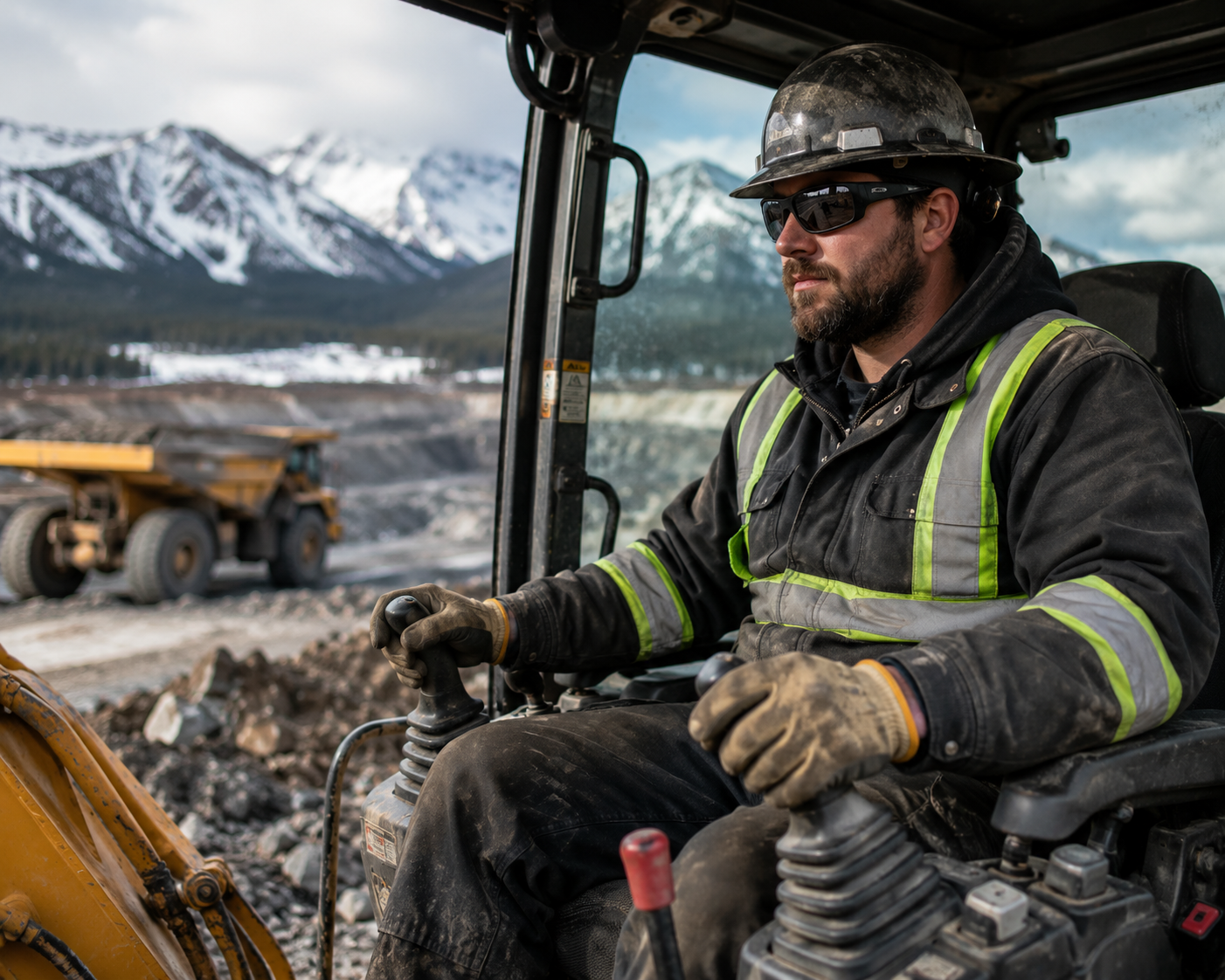
Heavy Equipment Operator Jobs in Canada With Visa Sponsorship are among the most in-demand skilled trades opportunities for foreign workers. Canada’s construction, mining, oil and gas, forestry, road maintenance, and infrastructure sectors rely heavily on qualified heavy equipment operators to operate machinery such as excavators, bulldozers, loaders, graders, backhoes, and dump trucks.
Due to ongoing labor shortages across several provinces, many Canadian employers are recruiting experienced foreign workers through employer-sponsored work permits and Labour Market Impact Assessment (LMIA) programs. These jobs often offer competitive salaries, overtime opportunities, relocation assistance, and pathways to permanent residence.
This guide explains how foreign workers can legally obtain Heavy Equipment Operator Jobs in Canada With Visa Sponsorship, including salary expectations, visa options, requirements, PR pathways, recruitment agencies, employers hiring internationally, and application procedures.
🌍 More Available Jobs


Why Canada Needs Heavy Equipment Operators
Canada continues to invest heavily in:
- Road construction projects
- Infrastructure development
- Housing construction
- Mining operations
- Forestry projects
- Energy sector expansion
- Pipeline construction
Many employers struggle to find enough qualified operators, creating opportunities for skilled foreign workers.
Benefits include:
- Competitive wages
- Employer-sponsored work permits
- Overtime earnings
- Health benefits
- Long-term employment opportunities
- Permanent residency pathways
Types of Heavy Equipment Operator Jobs Available
Excavator Operator
Operates excavators for construction and mining projects.
Bulldozer Operator
Handles land clearing and grading operations.
Loader Operator
Loads and moves construction materials.
Grader Operator
Maintains and prepares road surfaces.
Backhoe Operator
Performs excavation and utility installation work.
Dump Truck Operator
Transports materials around construction and mining sites.
Compactor Operator
Operates road-building and compaction equipment.
Crane Operator Assistant
Supports lifting and heavy construction activities.
Mining Equipment Operator
Operates machinery in mining environments.
Road Construction Equipment Operator
Works on highways, roads, and infrastructure projects.
Average Salary for Heavy Equipment Operators in Canada
| Position | Average Annual Salary (CAD) |
|---|---|
| Entry-Level Operator | $50,000 – $70,000 |
| Excavator Operator | $60,000 – $90,000 |
| Loader Operator | $55,000 – $85,000 |
| Grader Operator | $65,000 – $95,000 |
| Bulldozer Operator | $60,000 – $90,000 |
| Mining Equipment Operator | $75,000 – $120,000 |
| Senior Heavy Equipment Operator | $90,000 – $140,000 |
Additional benefits may include:
- Overtime pay
- Accommodation assistance
- Health insurance
- Pension plans
- Relocation support
- Performance bonuses
Provinces With High Demand
The highest demand for heavy equipment operators is often found in:
Alberta
Strong demand due to oil sands and construction projects.
British Columbia
Major infrastructure and housing developments.
Saskatchewan
Mining and agriculture-related projects.
Manitoba
Road construction and industrial development.
Ontario
Large construction and transportation projects.
Newfoundland and Labrador
Mining and resource sector opportunities.
Work Permit Options
Temporary Foreign Worker Program (TFWP)
The Temporary Foreign Worker Program allows Canadian employers to hire foreign workers when qualified Canadians are unavailable.
Benefits:
- Employer sponsorship
- Legal work authorization
- Renewable employment opportunities
Labour Market Impact Assessment (LMIA)
Many employers obtain a positive LMIA before hiring foreign workers.
Benefits:
- Supports work permit applications
- Demonstrates labor shortages
- Improves immigration opportunities
Provincial Nominee Programs (PNPs)
Many provinces nominate skilled trades workers for permanent residence.
Benefits:
- Faster immigration pathways
- Provincial labor market support
- Permanent residence opportunities
Permanent Residency Pathways
Express Entry
Heavy equipment operators may qualify through skilled trades immigration programs depending on occupation classification and eligibility.
Benefits:
- Permanent residence
- Family sponsorship opportunities
- Access to social benefits
- Pathway to Canadian citizenship
Provincial Nominee Programs (PNPs)
Several provinces target construction and equipment operators experiencing labor shortages.
Atlantic Immigration Program (AIP)
Provides opportunities for workers employed in participating Atlantic provinces.
Rural Community Immigration Pilot Programs
Certain rural communities recruit foreign workers for in-demand occupations.
Visa Requirements for Employment
Applicants generally require:
- Valid passport
- Job offer from Canadian employer
- Work experience
- Relevant certifications
- Medical examination
- Police clearance certificate
- Language proficiency where required
Required Documents
Prepare:
- International passport
- Updated CV/resume
- Educational certificates
- Heavy equipment certifications
- Employment references
- Police clearance certificate
- Medical examination results
- Passport photographs
Meeting Eligibility Requirements
Most employers prefer candidates who have:
- Experience operating heavy machinery
- Knowledge of workplace safety procedures
- Construction or mining experience
- Ability to work in remote locations
- Good communication skills
- Mechanical knowledge
Additional certifications may improve employment prospects.
International Recruitment Agencies
Hays Canada
Address:
1055 West Georgia Street, Vancouver, British Columbia, Canada
Website:
Services:
- Construction recruitment
- Skilled trades placements
- International hiring
Randstad Canada
Address:
777 Bay Street, Toronto, Ontario, Canada
Website:
Services:
- Construction staffing
- Equipment operator recruitment
- Industrial employment
Drake International Canada
Address:
Toronto, Ontario, Canada
Website:
Services:
- Skilled trades recruitment
- Construction staffing
- International placements
Companies Offering Heavy Equipment Operator Jobs
Ledcor Group
Head Office:
Vancouver, British Columbia
Positions:
- Heavy Equipment Operator
- Excavator Operator
- Loader Operator
Website:
Kiewit Canada
Head Office:
Oakville, Ontario
Positions:
- Construction Equipment Operator
- Road Construction Operator
- Site Equipment Operator
Website:
PCL Construction
Head Office:
Edmonton, Alberta
Positions:
- Excavator Operator
- Heavy Equipment Operator
- Site Operator
Website:
Bird Construction
Head Office:
Mississauga, Ontario
Positions:
- Equipment Operator
- Construction Operator
- Site Equipment Specialist
Website:
Teck Resources
Head Office:
Vancouver, British Columbia
Positions:
- Mining Equipment Operator
- Haul Truck Operator
- Heavy Equipment Specialist
Website:
Best Websites to Apply for Heavy Equipment Operator Jobs
Job Bank Canada
Official Government of Canada job platform.
Indeed Canada
Thousands of construction and equipment operator vacancies.
LinkedIn Jobs
Professional recruitment platform.
Workopolis
Canadian employment marketplace.
Canada Job Search by Eluta
Features construction and skilled trades jobs.
Steps to Get Visa Sponsorship
Step 1: Prepare a Professional Resume
Include:
- Heavy equipment experience
- Certifications
- Safety training
- Work history
Step 2: Search for Sponsorship Jobs
Focus on employers willing to hire foreign workers.
Step 3: Submit Applications
Apply through company websites and job portals.
Step 4: Attend Interviews
Many interviews are conducted virtually.
Step 5: Receive Job Offer
Obtain a written employment contract.
Step 6: Employer Obtains LMIA
Where required, the employer secures a positive LMIA.
Step 7: Apply for Work Permit
Submit your application with supporting documents.
Step 8: Complete Medical and Security Checks
Provide required documentation and biometrics.
Step 9: Travel to Canada
Begin employment after work permit approval.
Applying at the Embassy – Work Permit Verification
Always verify immigration information through official Canadian sources.
Canadian High Commission in Nigeria
Address:
High Commission of Canada in Nigeria
42 Independence Avenue, Abuja, Nigeria
Website:
Government of Canada Immigration Website
Before applying:
- Verify job offers
- Confirm LMIA details
- Review employer information
- Check work permit requirements
Common Immigration Mistakes to Avoid
Paying for Fake Job Offers
Legitimate employers do not sell jobs.
Using Unlicensed Immigration Agents
Work only with authorized representatives.
Submitting False Documents
Misrepresentation can lead to visa refusal.
Ignoring Certification Requirements
Employers often prefer certified operators.
Applying Without Relevant Experience
Most sponsored positions require practical operating experience.
Settlement Benefits in Canada
Heavy equipment operators working in Canada may enjoy:
- Competitive wages
- Healthcare access
- Stable employment
- Family sponsorship opportunities
- Permanent residency pathways
- Citizenship eligibility
Frequently Asked Questions
Can foreigners get heavy equipment operator jobs in Canada with visa sponsorship?
Yes. Many employers recruit experienced foreign workers through LMIA-supported work permits and provincial immigration programs.
Do I need experience?
Yes. Most employers prefer candidates with practical heavy equipment operating experience.
Which province pays the highest salaries?
Alberta, British Columbia, and mining regions often offer some of the highest wages.
Can heavy equipment operators obtain permanent residence?
Yes. Many workers qualify through Express Entry, Provincial Nominee Programs, and other immigration pathways.
Final Thoughts
Heavy Equipment Operator Jobs in Canada With Visa Sponsorship offer excellent opportunities for skilled foreign workers seeking high-paying employment abroad. With strong demand across construction, mining, infrastructure, forestry, and energy sectors, experienced operators can access competitive salaries, employer-sponsored work permits, and pathways to permanent residence. By obtaining the necessary experience, applying through reputable employers, and following official immigration procedures, foreign workers can build long-term careers and successful futures in Canada.